Volumetric Transition and Urban Harmony
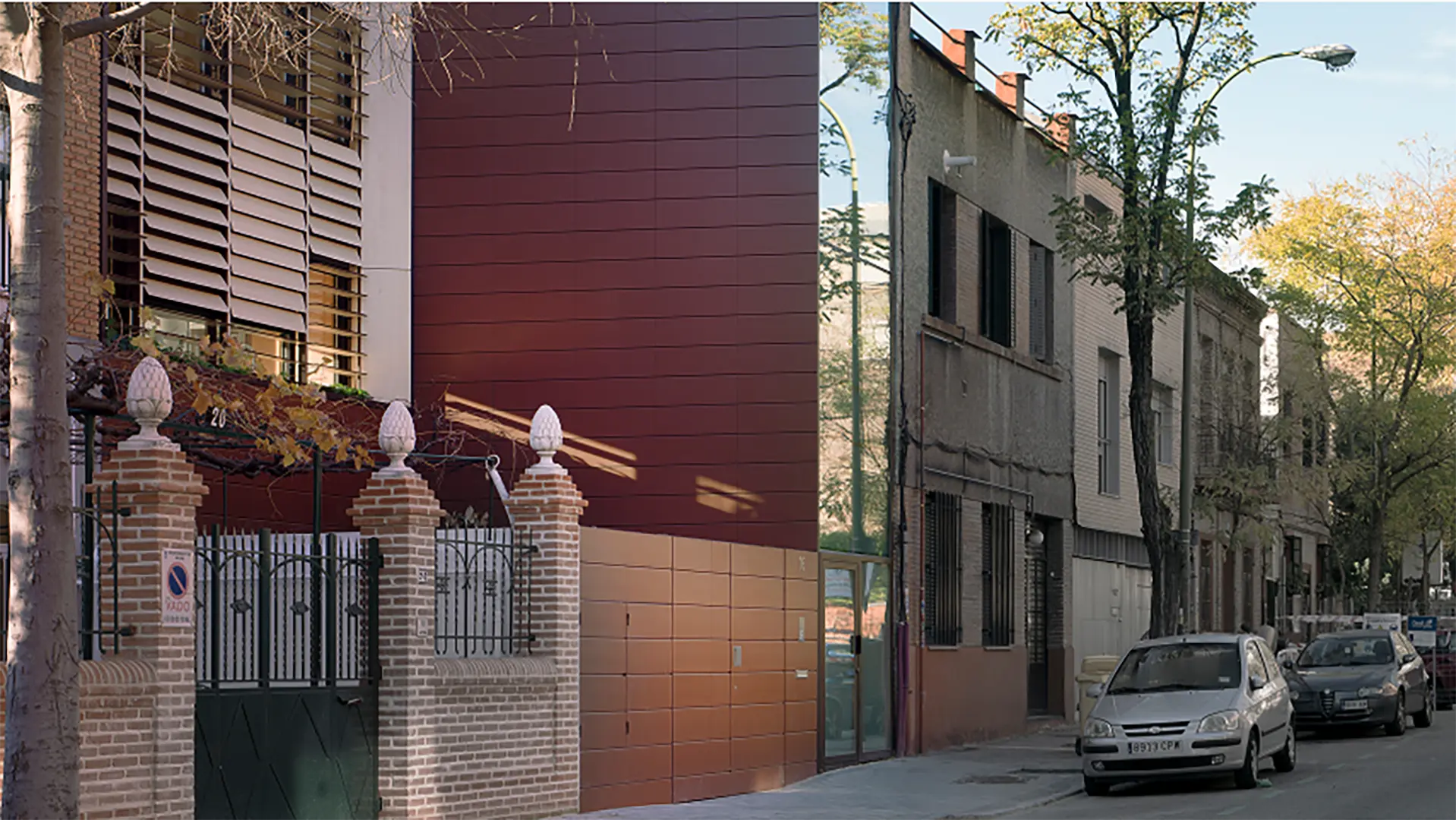
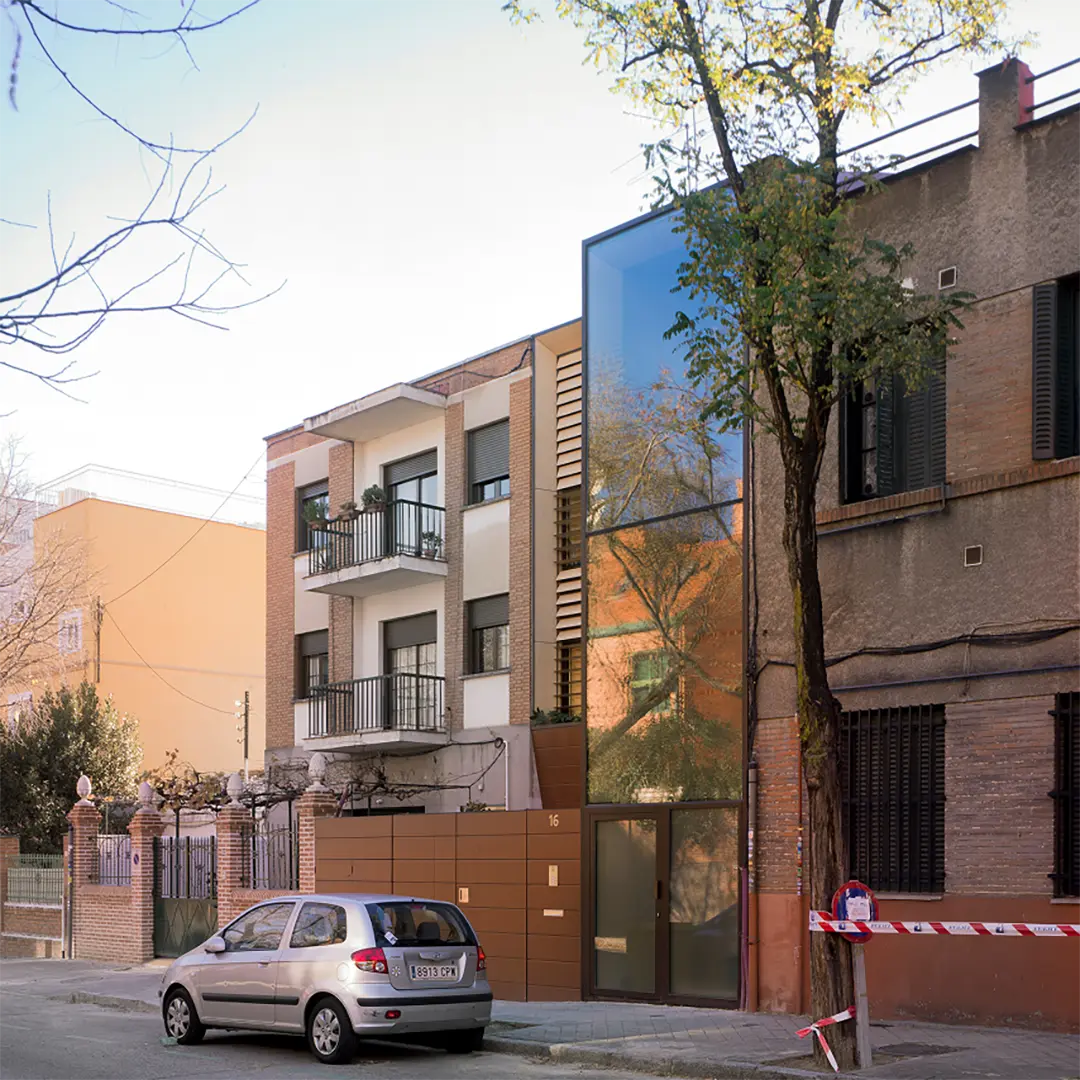
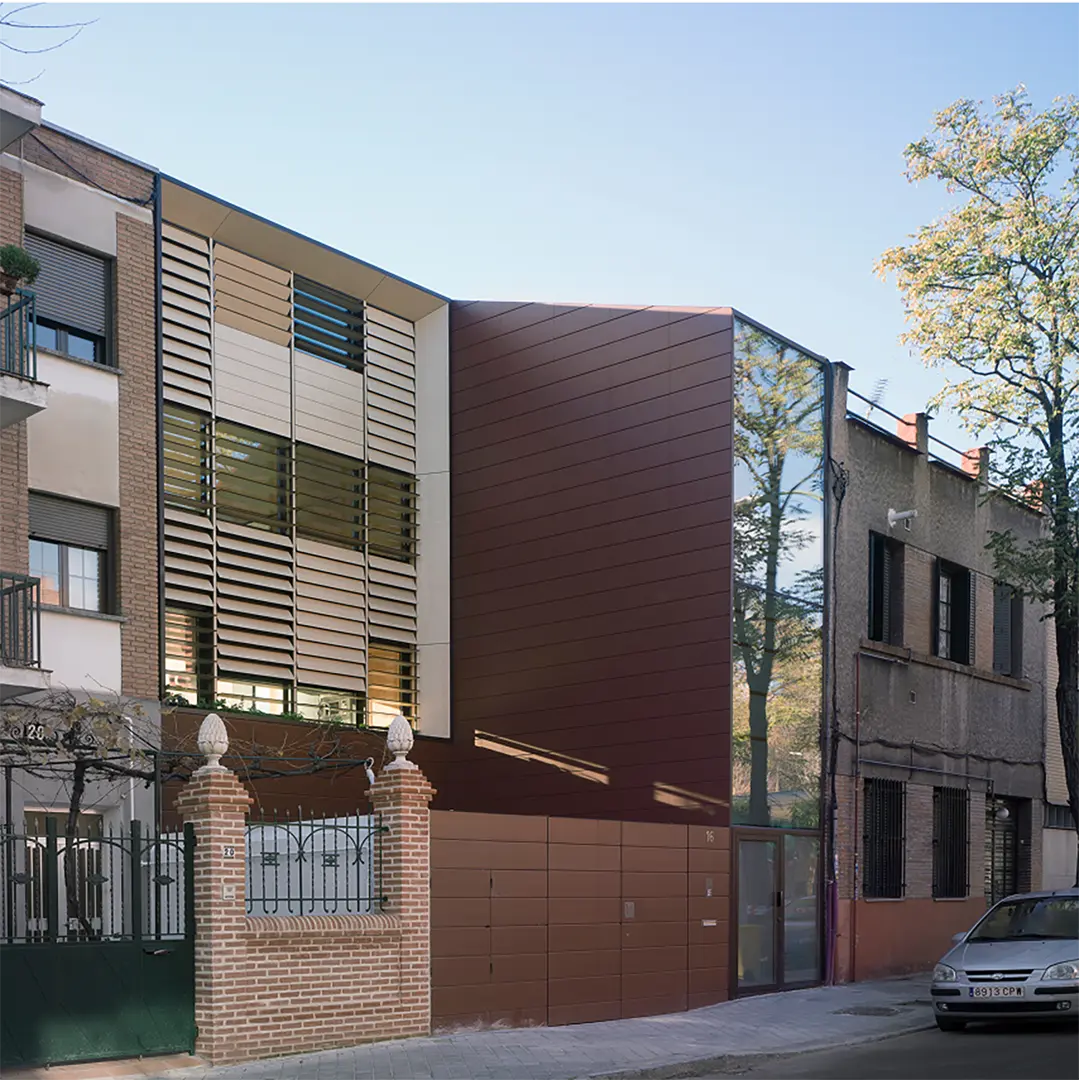
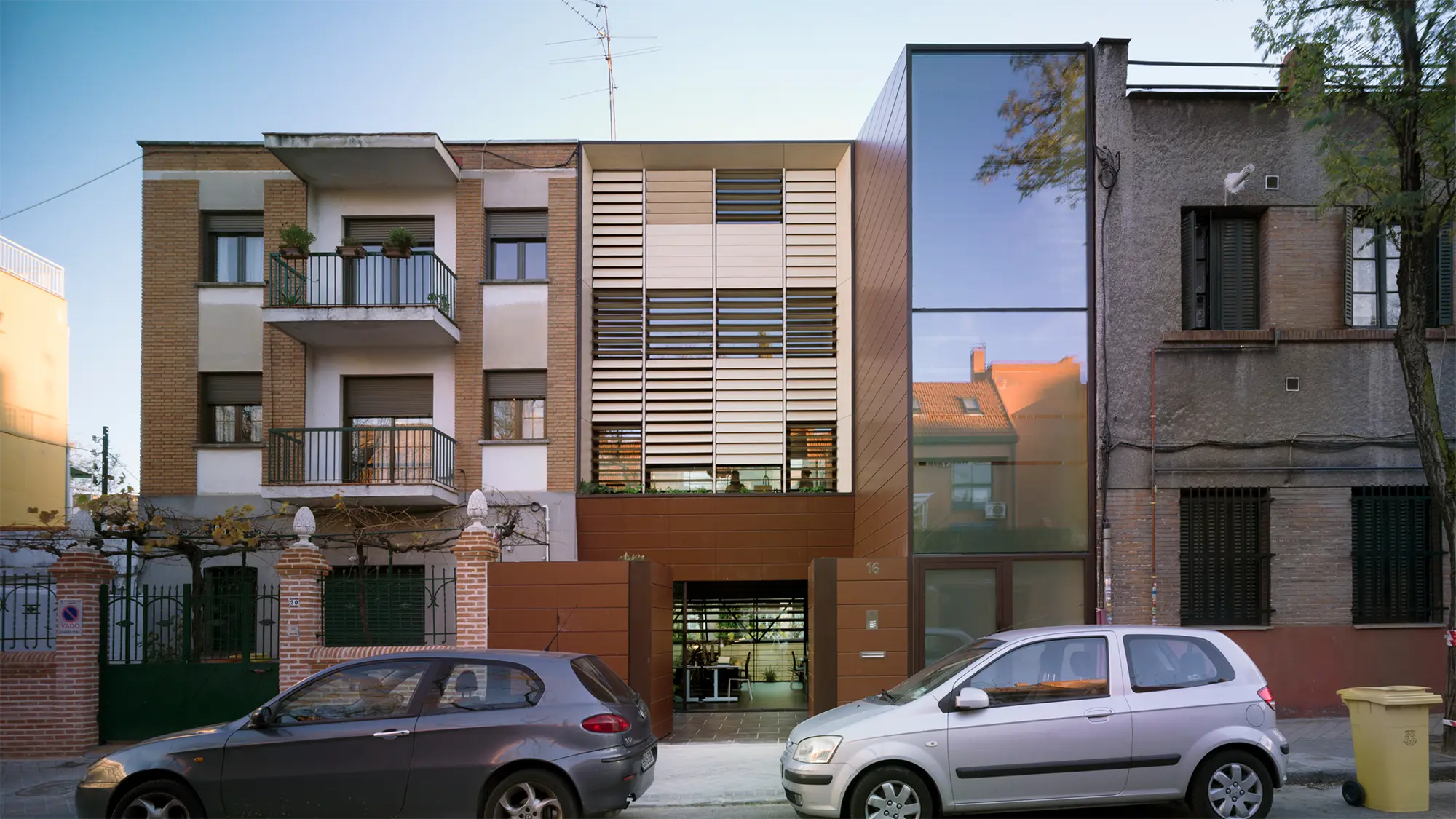
The building acts as a bridge between two contrasting urban realities: a street-aligned house and a more recessed three-story building.
Its volume adapts to scales and distances, integrating naturally into the surroundings.
Materiality and Timeless Comfort
Clay and wood connect the building to its immediate traditional context.
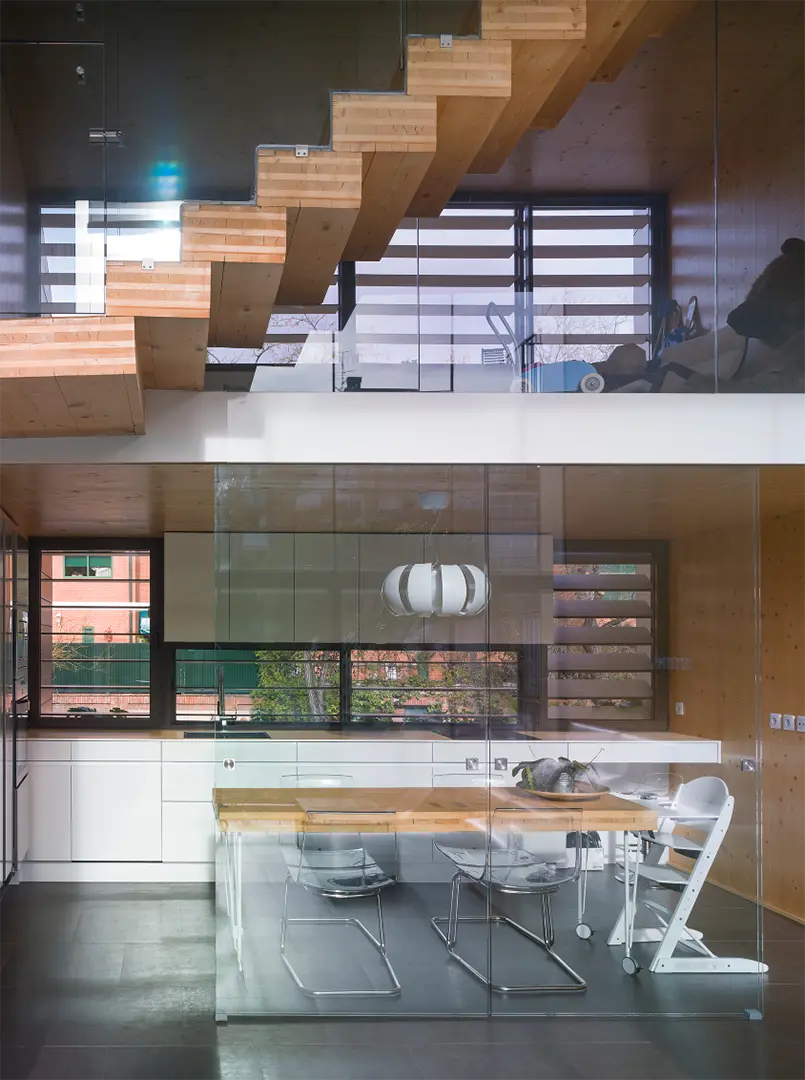
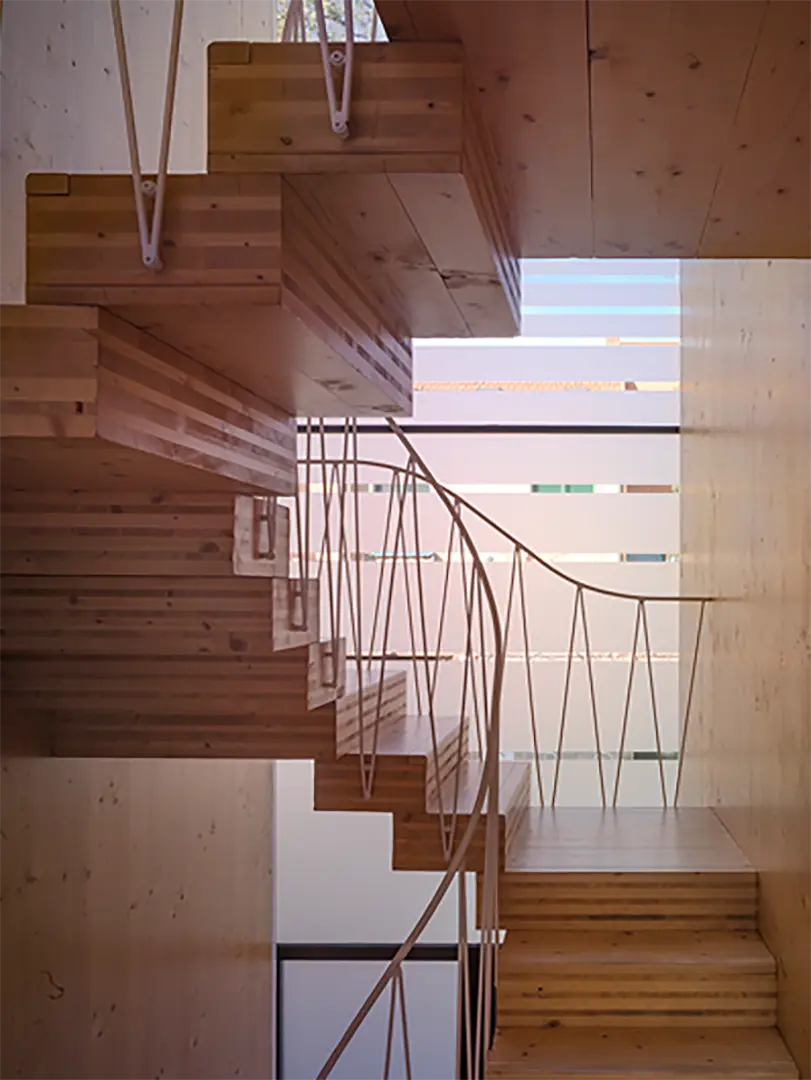
These timeless materials offer thermal comfort, tactile qualities, and a lasting sense of warmth and energy.
Location
Client
Year
Status
Program
Volumetric Transition and Urban Harmony
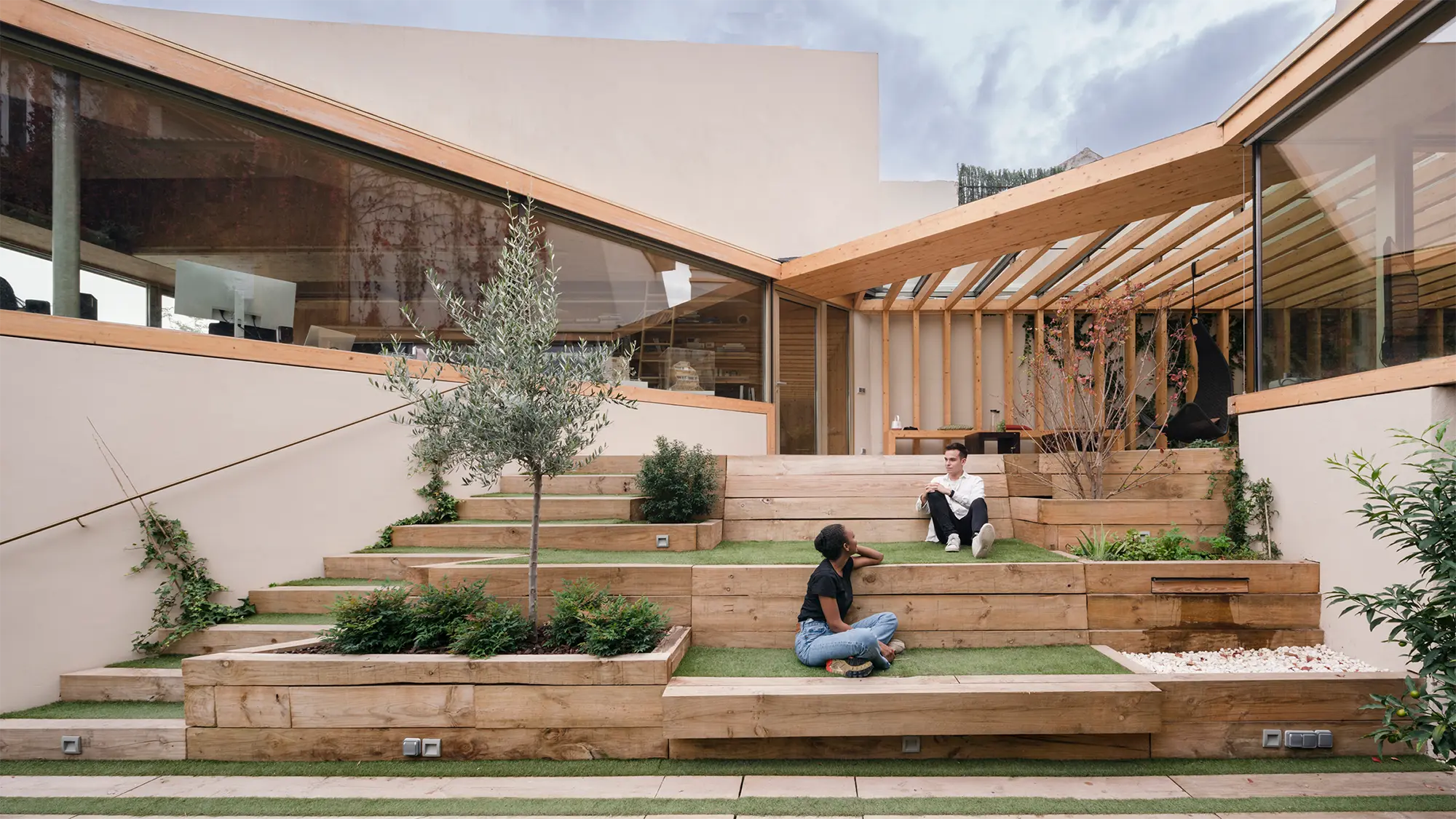
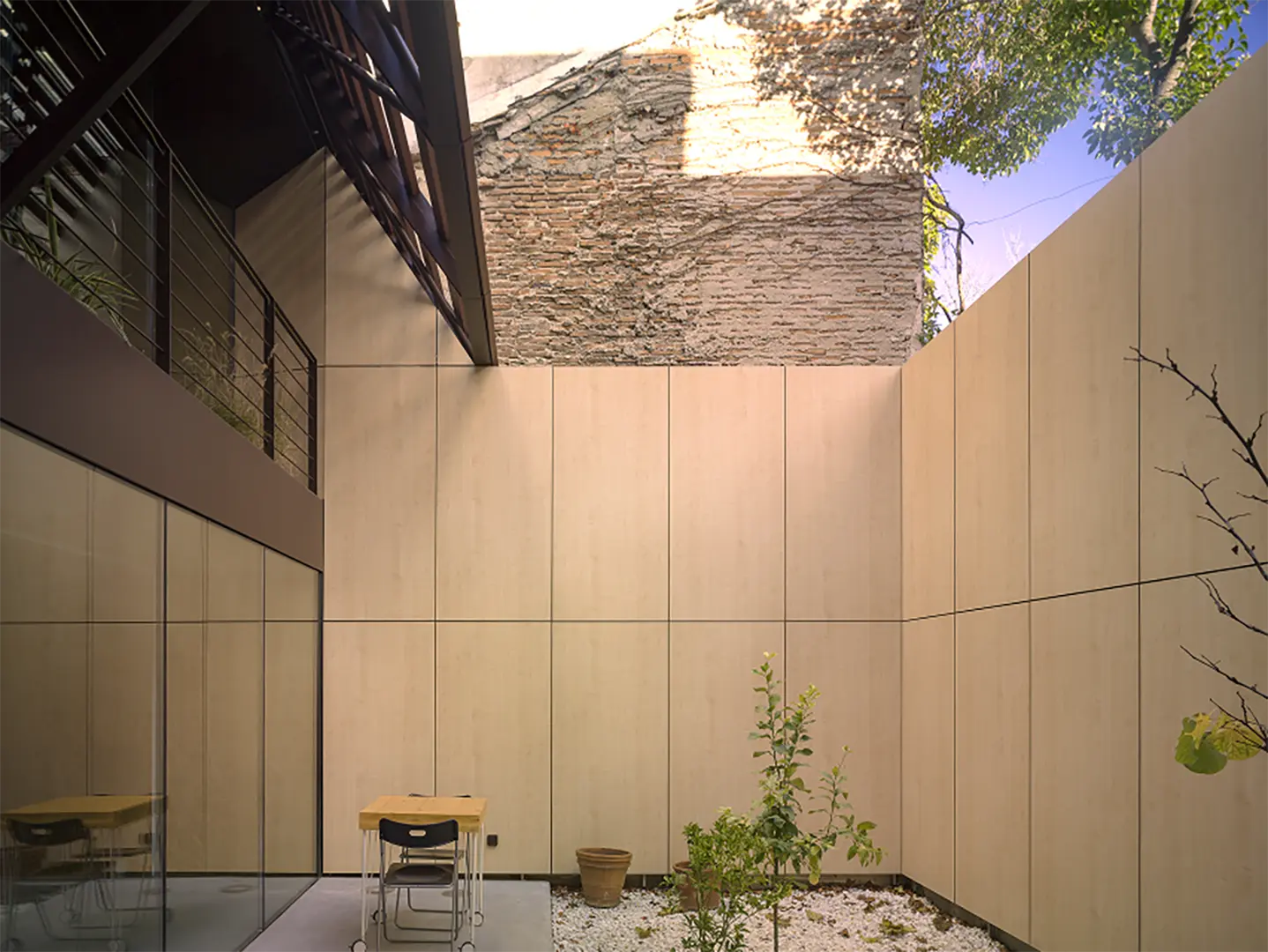
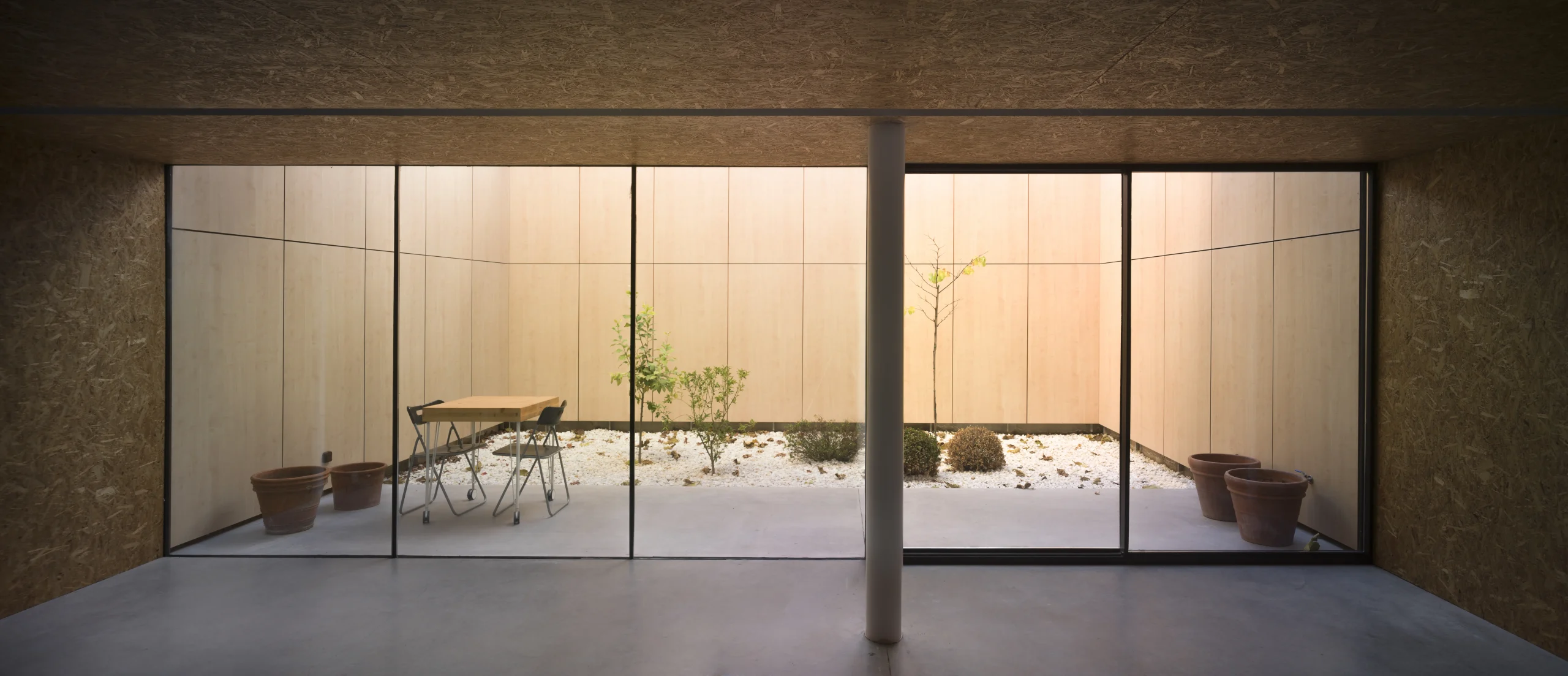
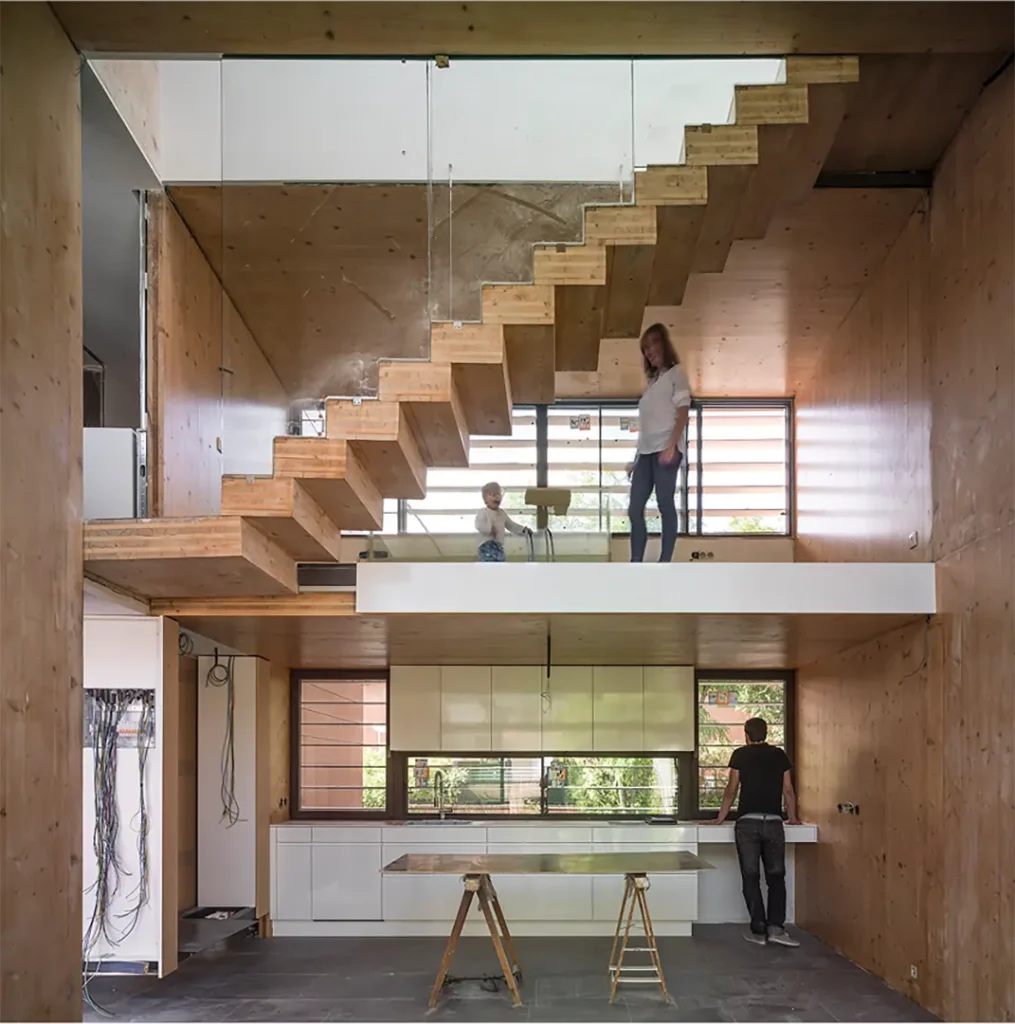
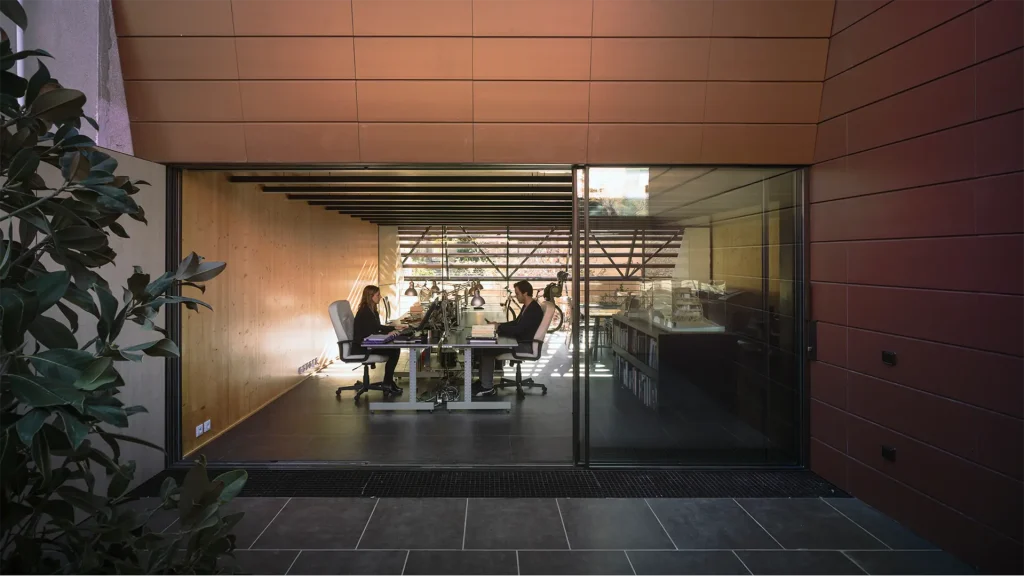
The result is a series of volumes that continue the cornices and alignments of the immediate surroundings, integrating seamlessly with neighboring buildings. The program consists of a family home and a small basement office, distributed over five floors with a small building footprint. Patios, planters, terraces, and balconies of various types accompany the volumes, enriching the relationship between interior and exterior spaces.
Materiality and Timeless Comfort
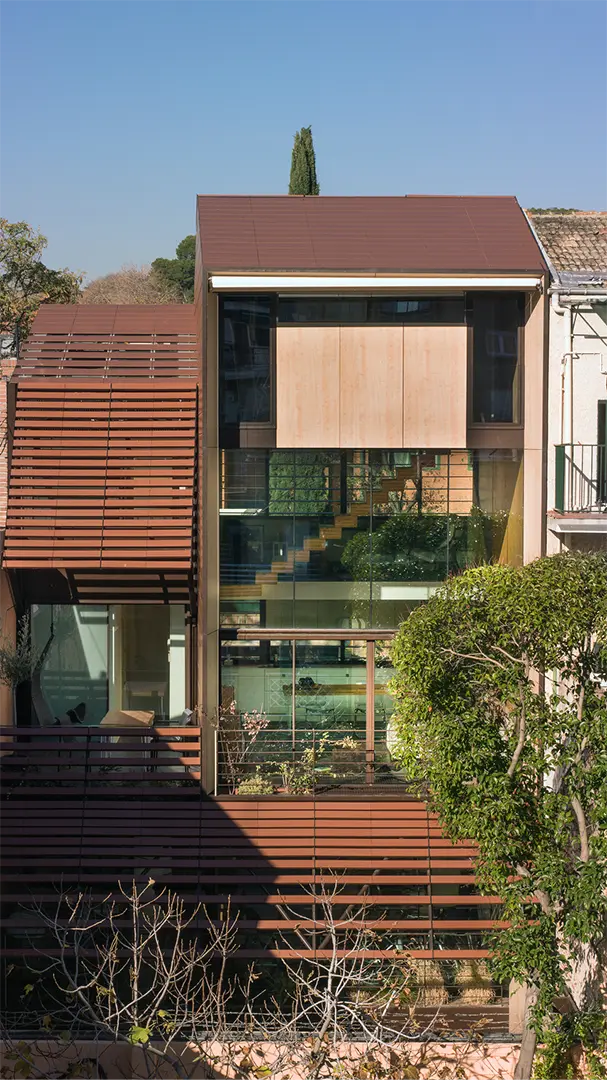
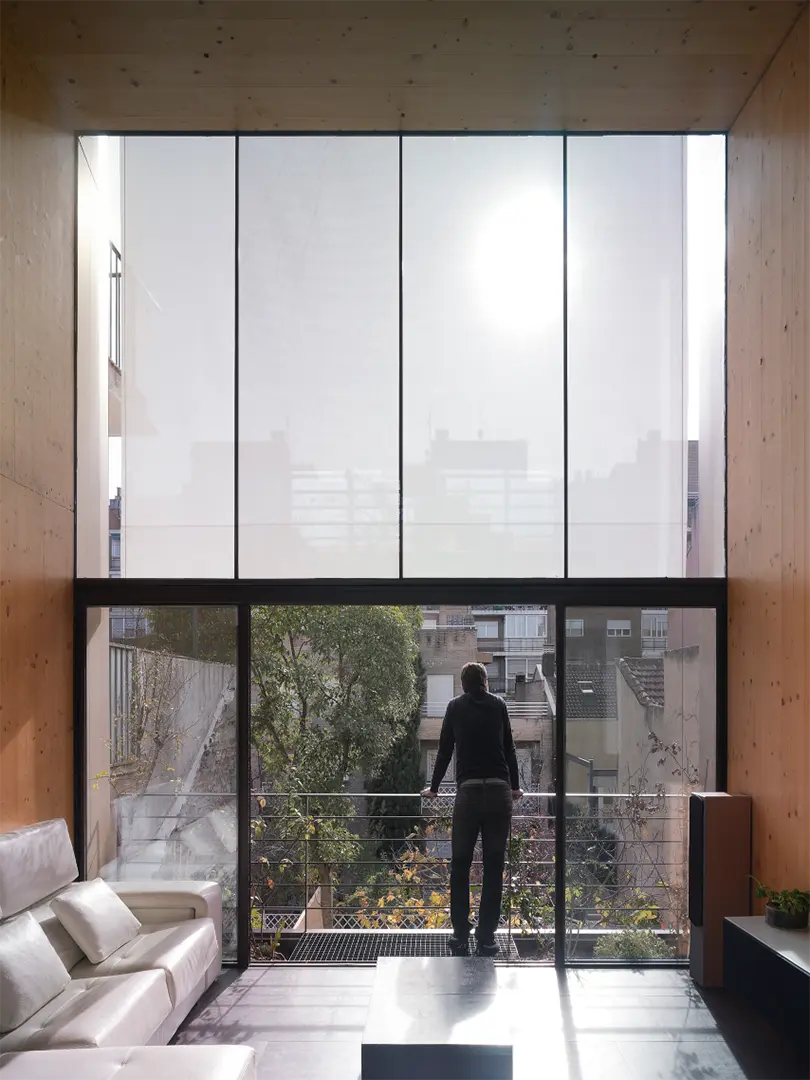
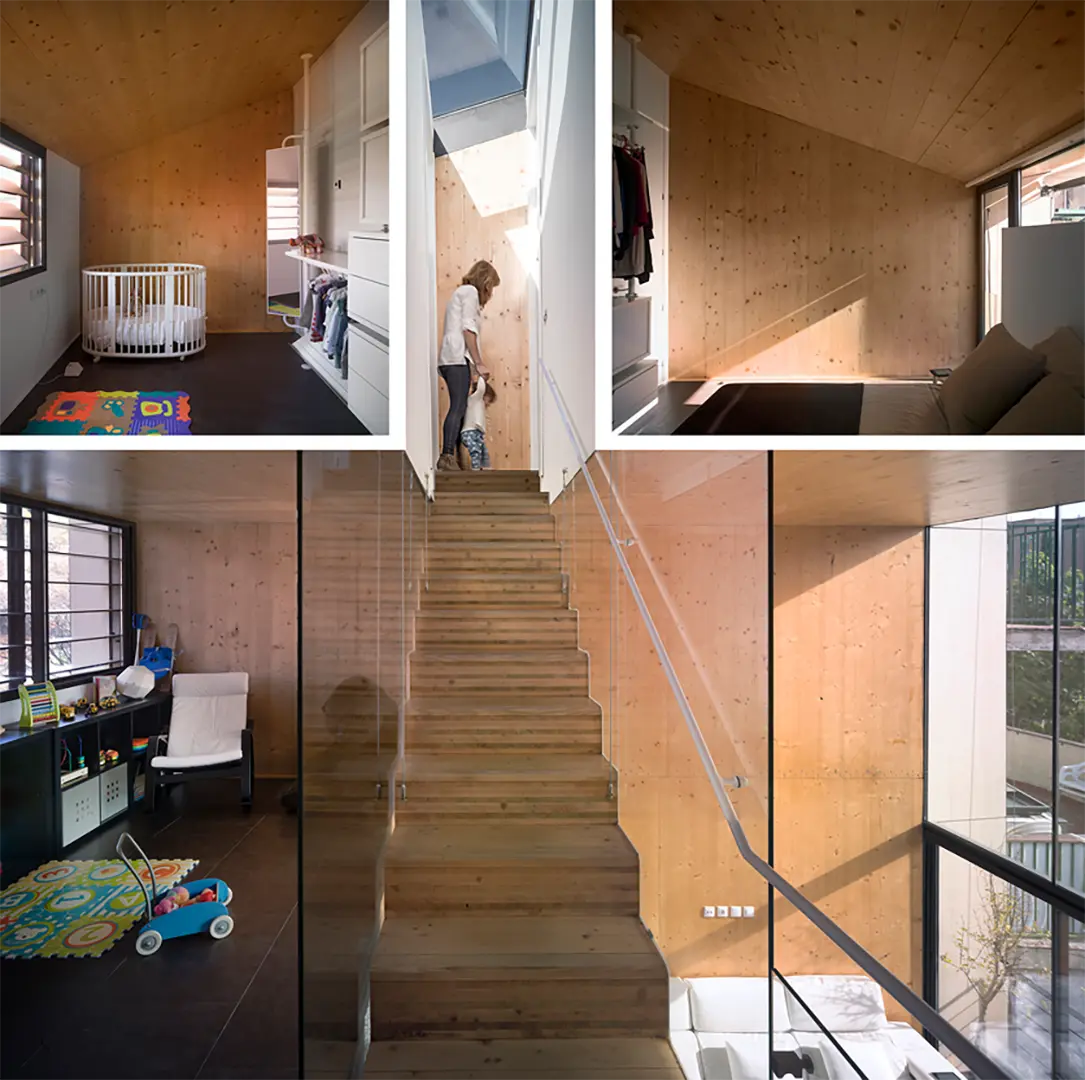
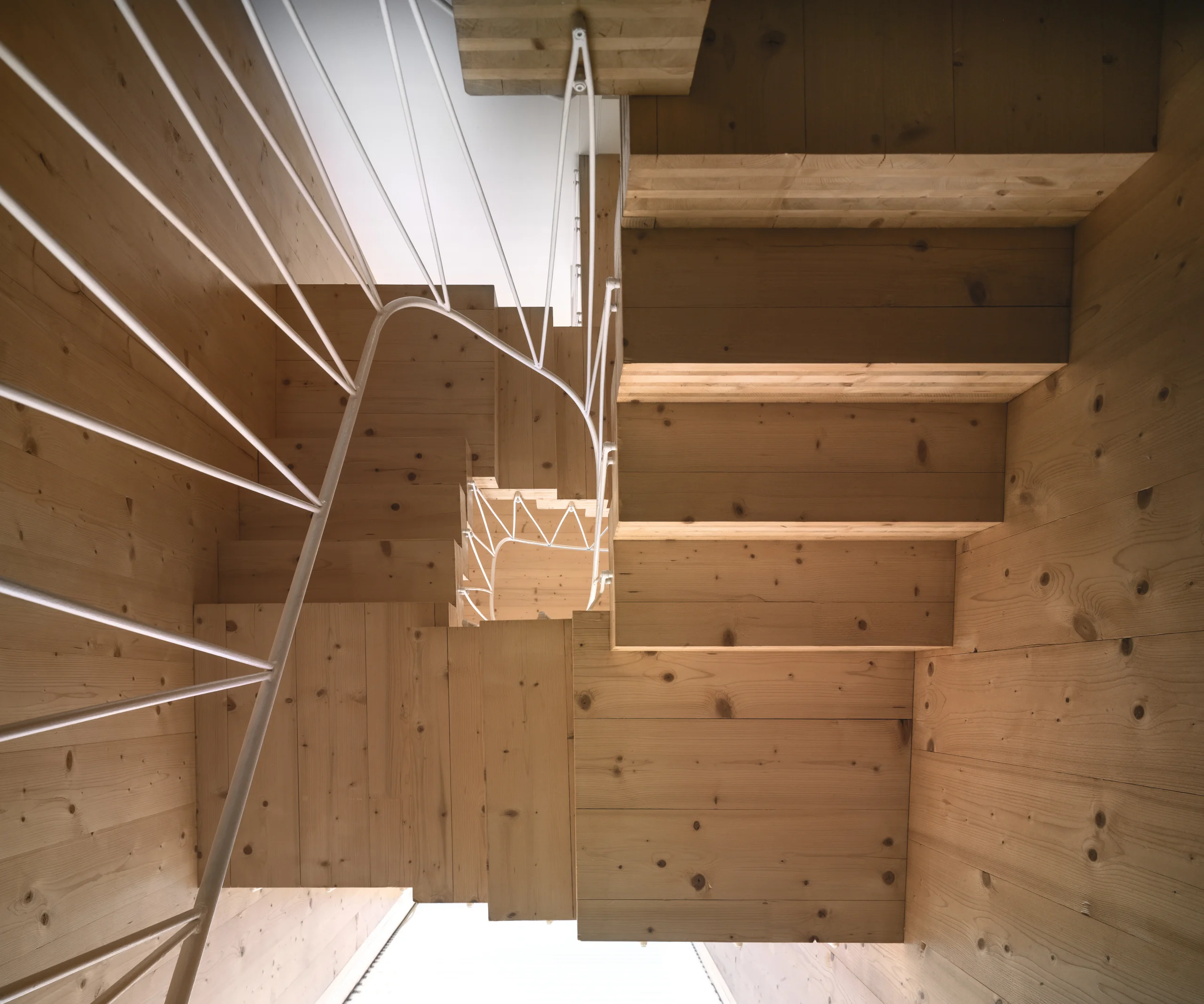
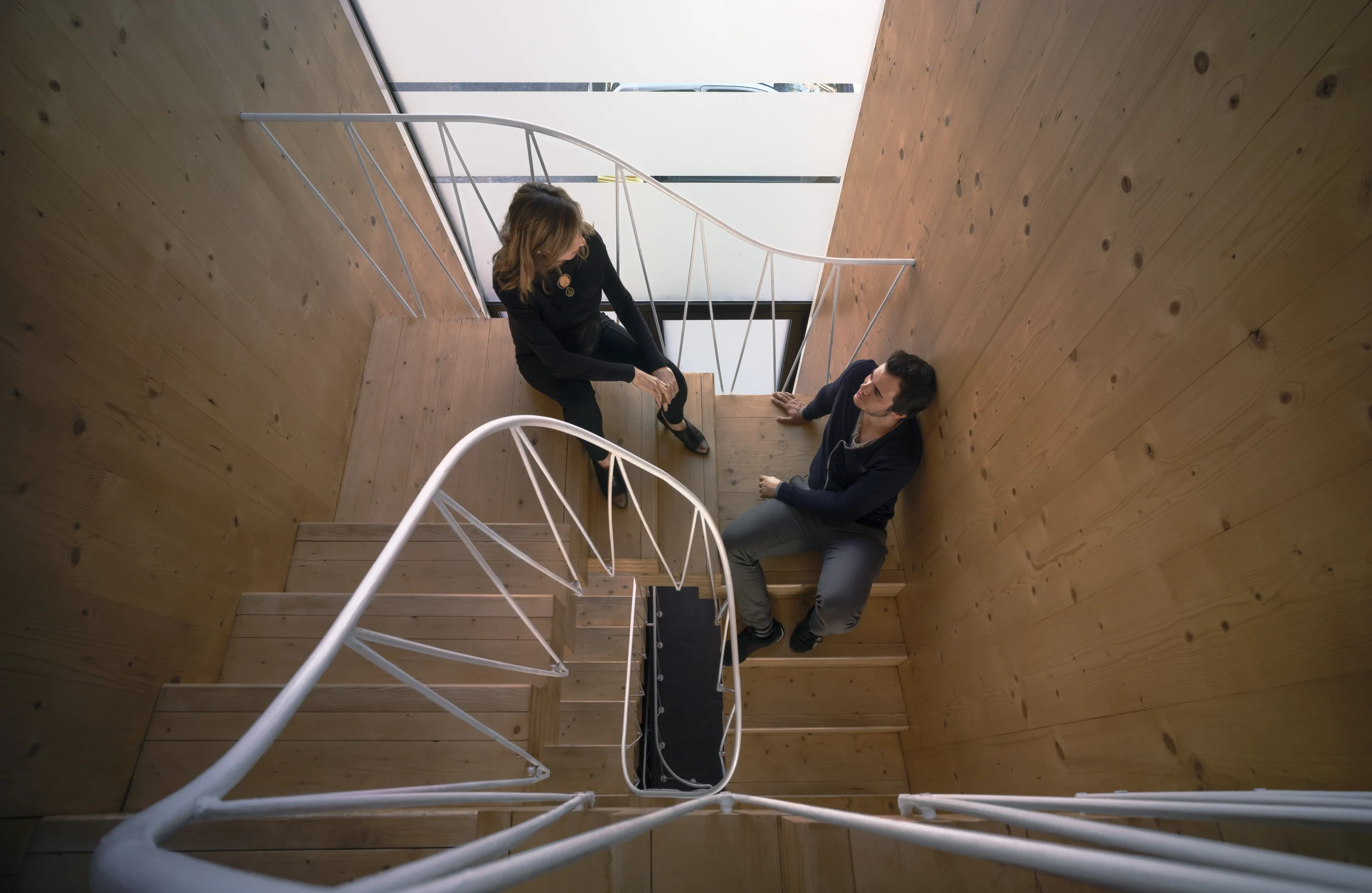
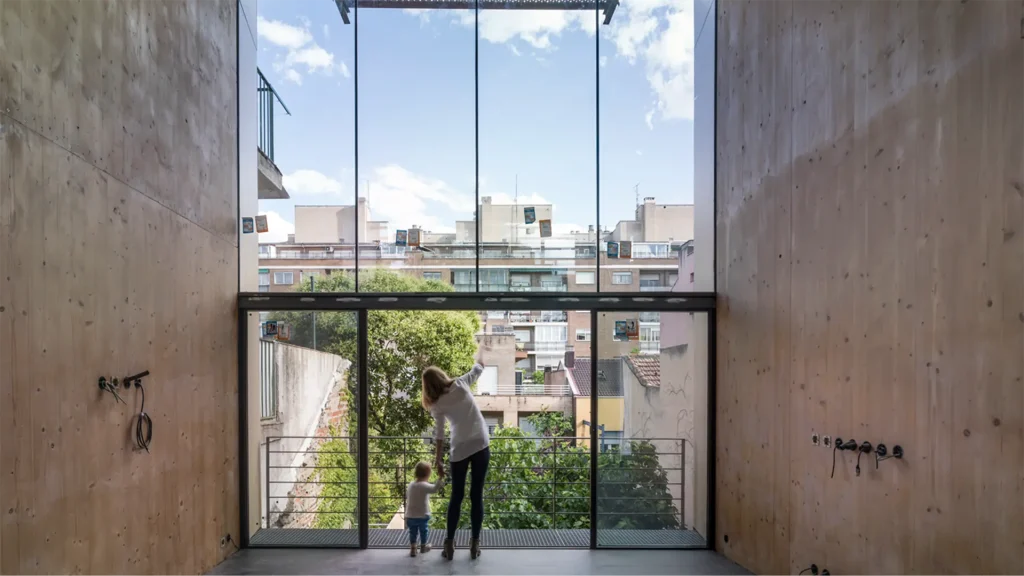
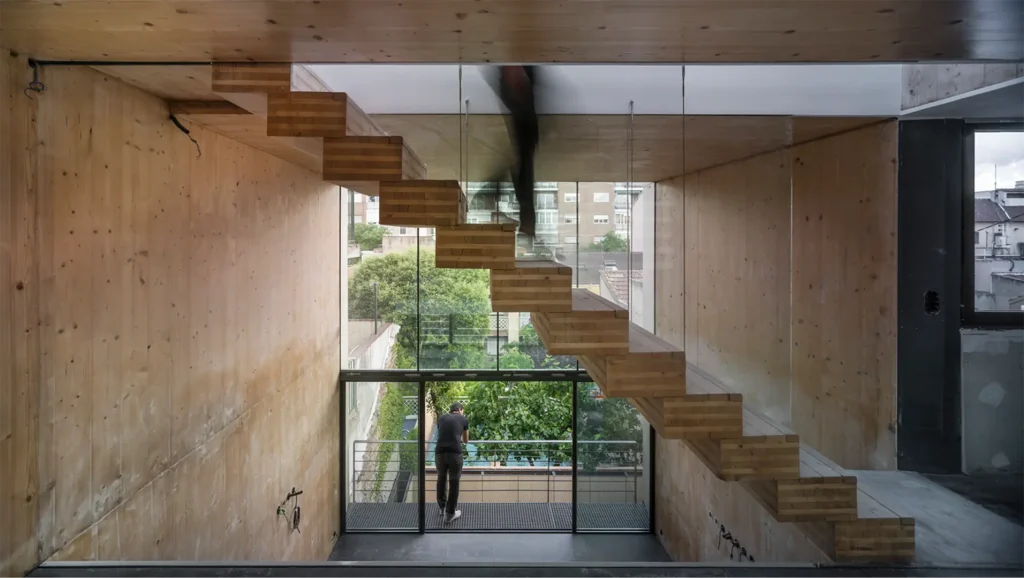
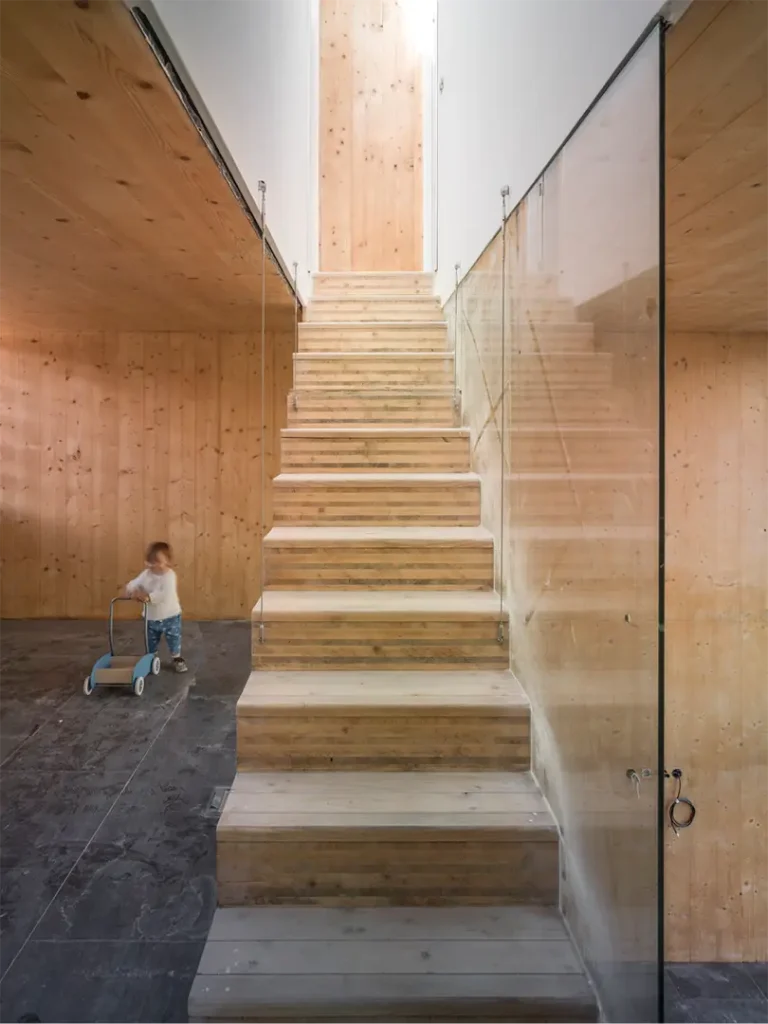
The structure is composed of cross-laminated timber walls and slabs, framing the different spaces between adjacent buildings. These define the ceilings and floors and establish the north–south axis that traverses the house. The façades on these sides are made permeable to maximize natural light and open up strategic views.
Permeable Façades and Contemporary Expression
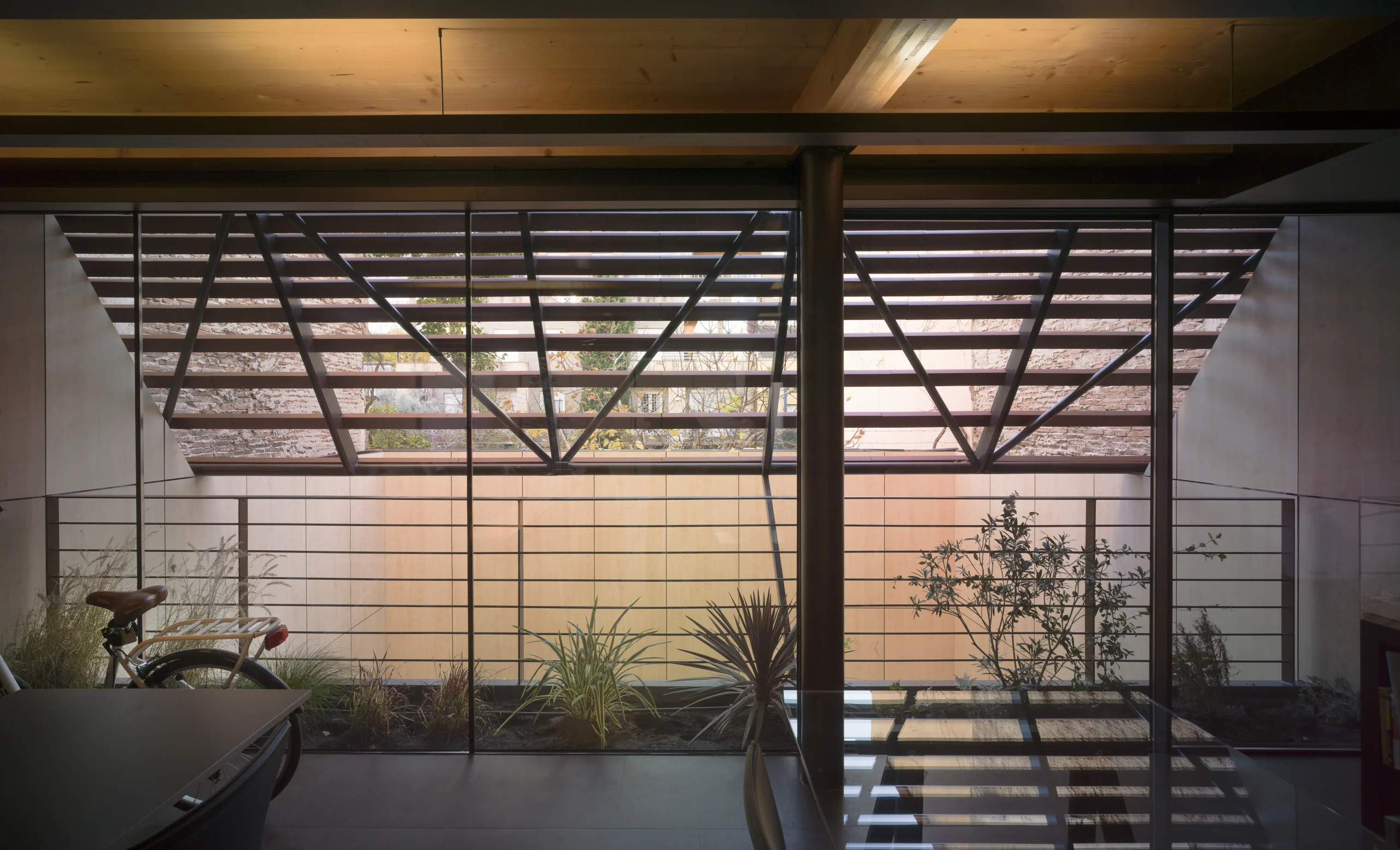
On the exterior, ceramic cladding provides an adaptable system that responds to different needs (ventilated façade and roof, fixed and mobile latticework, skylights, among others).
The difference between the two façades reflects not only the strong north–south orientation of the site but also the transition between the public street and the private gardens within the block. These façades use architectural devices such as screens, shutters, and openings to mediate between views and privacy, optimizing sunlight inside. Clay and wood, used in contemporary formats and construction systems, offer a formal language of simple gestures aimed at meeting the housing program’s needs without losing its inherent complexity.